Why should I hire a solar heating installation professional?
It is a well-known fact that we have to take care of our resources and save as much energy as possible, which will not be available indefinitely. However, this is no longer the main problem today, because we have at our disposal various alternative sources of energy, many of which are almost free, such as solar energy. To properly install solar heating, you need the right materials and accessories, as well as extensive technical knowledge to ensure the smooth operation of the solar system after installation. As is often the case, it pays to let a professional do it so that later you can enjoy the sun and the free energy it generates without worry.
What should you pay attention to when installing a solar system?
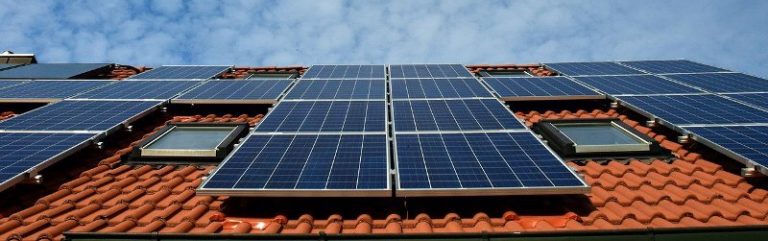 Solar heating Usually, the solar system is installed on the roof of the building. For this reason, the alignment of the roof and the slope of the surface on which the system will be installed must be carefully analyzed beforehand. The solar system is most productive when the slope of the roof faces south. The optimal radiation angle is 30-60 degrees, if this is not possible, a tracking system can be installed that always sets the system at the optimal angle to the sun. Solar heating will have the best effect in this way.
What are the advantages of solar heating?
The most important advantage of solar heating is its environmental friendliness, closely followed by cost-effectiveness. This starts with the construction of the plant, which is often supported by cheap Since the sun does not always shine at our latitudes, a solar system cannot cover the entire electricity consumption, but depending on the system, a considerable amount of electricity can be covered, especially heating and/or hot water costs. Either way, solar heating saves money on heating costs and helps reduce carbon dioxide emissions. The system for a normal family house pays for itself in 2-4 years.
What preparations should be made for the installation of the solar system?
The four most important steps for installing a solar system are mounting the collector, mounting the hot water tank, creating a water circuit and connecting the finished solar heating system to the existing heating system.
What material do you need to install a solar system?
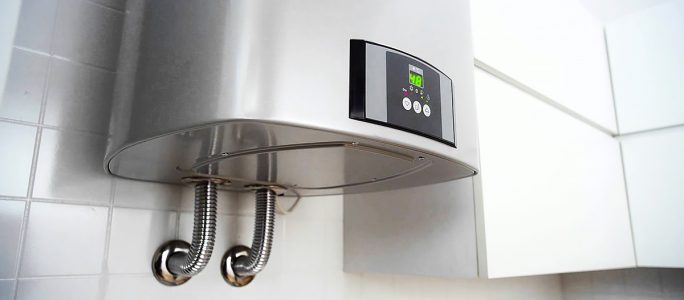
Solar systems are sold in ready-made kits, which are ideal for do-it-yourselfers. They consist of many parts. For example, you need a collector, a tank, a heat transfer medium and a heat exchanger. To keep the system running, you need pumps, controls and valves, as well as many different small parts and tools.
Does the solar system work when there is no sun?
It is important to know that the solar system cannot work if there is not even a little sun (during the night and in total cloud cover), then the water heating in the solar system immediately stops, which is normal. But that”s why even with the appearance of the smallest amount of direct or diffused light, the solar system automatically starts working again and fulfills its purpose, even if the temperature outside is below zero. Because of the above, the system should have a storage water heater with a larger capacity that accumulates solar energy while the sun is shining, so that hot water can be used even when the sun is not shining, such as early in the morning or during the evening and night. A solar system can be added to your already existing heating system, whether it runs on gas, electricity or solid fuel (or even if it is a combination). At the end of the installation, everything represents a unique whole, and each part of the whole can work independently, as well as before the addition of the solar system. So, by adding a solar system to your heating system, you are just adding another solution to make your system work more efficiently, with a lot of savings in the household budget.
Basic principle of operation of solar heating
Solar collectors placed on the roof covering absorb heat during the sunny hours. The absorbed heat is transferred by the pump and stored in a large storage solar water heater. From the storage tank, heat is transferred to other rooms through the central heating system. A solar system is a very convenient solution for underfloor heating. A solid fuel boiler, an electric boiler, or a gas boiler can be used as the main source of energy in addition to solar heating. Good insulation of the house, i.e. walls, roof and attic, has a significant impact on energy savings. A standard economical system for solar heating consists of a boiler for heating with electricity, or solid fuel or gas, a storage solar water heater, solar collectors and a regulation station.