When is it necessary to replace valves on radiators?
Valves on radiators enable the opening and closing of the water flow, and some types of valves enable the adjustment and maintenance of the adjusted room temperature at any time. Valves on radiators that provide temperature regulation are also called thermostatic valves. Thermostatic radiator valves also come with a wide range of temperature settings. It is recommended to replace the valves on the radiators immediately after the first noticed defect.
Should you replace the valves on the radiators yourself?
If you are not a professional in the field of heating or plumbing, our recommendation is to leave the radiator valve replacement to a professional. When replacing the valve on the radiators, the sealing material should be placed correctly and the valve should be tightened to a certain extent, not too tight, because it may crack, and not too little, because it may leak. The wrong choice of the valve for the radiator, especially the thermostatic valve, can cause the heating system to malfunction. Professional masters for heating systems will perform the replacement of valves on radiators in the best way in order to achieve the best effects and efficiency of the entire system.
What should I pay attention to when replacing valves on radiators?
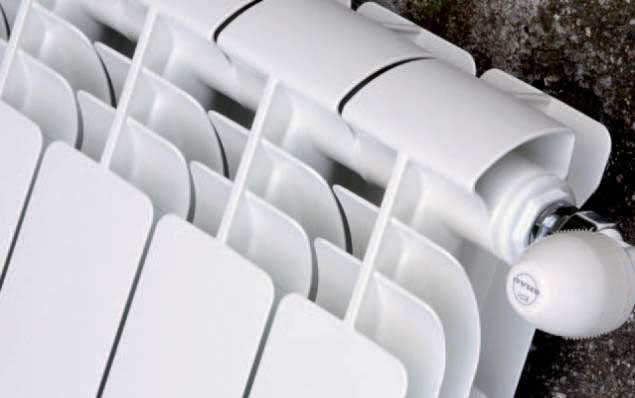 Replacing valves on radiators When replacing the valve on the radiators, make sure that it is hermetically sealed so that no water can escape. To do this, seal the threads with a bit of sealant usually supplied by the manufacturer or with sealing tape. Before tightening the threads, apply enough sealant to make it difficult to tighten, so the valves will seal better.
What should you do before replacing valves on radiators?
Before removing the old radiator valve, you need to release the pressure and water from the radiator. If it is a building and a district heating system, the advice is not to repair anything on your own. You do not have the ability to shut off the hot water supply in the substation, and until the emergency crew arrives, the entire building may be flooded. If it is individual heating, then the problem is easier to solve, so it is possible to replace valves on radiators even without special professional experience.
When is the radiator valve replaced?
Cracking of valves on the radiator can happen regardless of the heating season. This phenomenon is very common when it comes to gas radiators, which are still found in a large number of apartments. Experts advise that before starting the heating season, it is necessary to check the condition of the valves on these radiators. The check must be done by the heating plant workers, but unfortunately, due to numerous breakdowns at the beginning of the heating season, this very important check of the condition of the radiators is mostly missed, so problems are possible.
Can radiator leaks be prevented?
Leaking water from radiators, as well as broken valves, can happen throughout the year and represent one of the most frequent breakdowns in apartments. A big problem can arise if a breakdown and leakage occurs when you or your household members are not at home, so the water can wet the parquet, as well as everything in that room, as well as in the entire apartment. The damage can be great, and when you look at it realistically, it is not your fault. All those who have encountered such a problem know that after the repair and replacement of valves on the radiators comes the rehabilitation of the rooms where the damage occurred. This often implies the replacement of parquet and furniture. That”s why it”s good to check all valves and connections of pipes and radiators during the test period of heating.