Professional replacement of brake pads
The correctness of the braking system is in the first place when it comes to safety. Drivers cite the situation of the vehicle not freezing as their biggest fear when driving. The front axle of the car carries the brake discs and brake pads, which the brake caliper presses when the foot pedal is pressed, and thus the car stops. When replacing brake pads, pay attention to the thickness of the brake disc. An excessively worn brake disc loses its braking properties. A worn disc can burst due to the high temperature during braking and make the vehicle unable to stop. The interval for replacing front brake discs depends on their quality and driving style and is on average 60,000 km and a pair of discs usually consumes three sets of brake pads. Professional disc replacement in the service includes mechanical cleaning of the wheel hub from corrosion where the disc fits and the obligatory replacement of the pads, because the old pads have formed cracks on the old disc. Sliders are checked and special grease is applied to the part where the plate rests on the pliers. A possible indicator that the discs are at fault is a characteristic vibration felt on the steering wheel when braking. A screeching sound when braking indicates worn discs and pads. A longer stopping time interval and a lower brake pedal are also indicators to replace discs and pads.
What should you pay attention to when replacing brake pads?
If you want to replace the brake pads yourself, there are a few important things to keep in mind. Be careful not to damage the rubber seal on the piston. Also, be careful not to pinch the brake hose when removing the brake caliper, as this can have serious consequences. You should absolutely lubricate the discs with brake cleaner and thoroughly clean the brake calipers before mounting so that the pads slide smoothly in the guide. Remember to apply the brake by pumping the pedal before moving off.
Why should you change brake pads regularly?
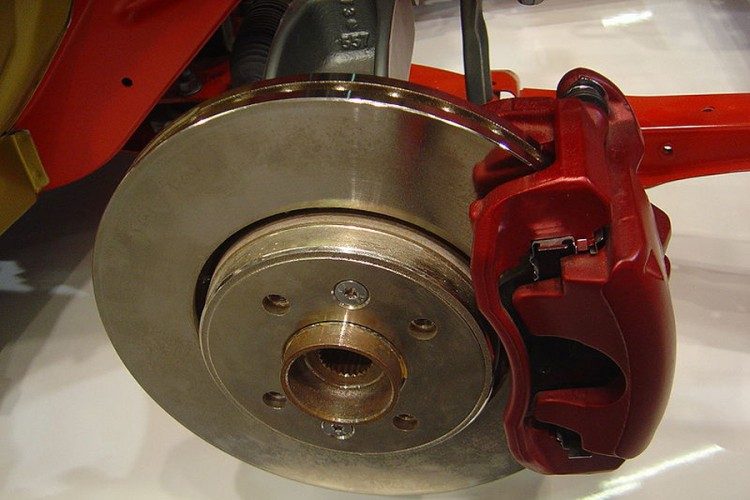 Replacement of brake pads Worn brake pads make a characteristic sound and you can hear a screeching sound that won”t go away when you release the brake pedal. You may also hear a rumbling or pulling sound when braking. These symptoms indicate that it is time to replace the brake pads and possibly the discs. As the brake pads wear, a metal-on-metal scenario is created when the caliper rubs against the disc. Damaged discs can cause steering wheel vibration or a pulsating sensation when braking. A damaged disc or caliper is almost a sure sign that the brake pads are worn.
What preparations should be made when replacing brake pads?
Start by placing blocks under the wheels to make the car less likely to roll when you work on it. Next, loosen the lug nuts on the wheel you want to change, but don”t remove it – just like changing a tire. Then use your vehicle”s jack to raise the vehicle and then secure it with the jacks. This step is very important. Changing a tire is relatively quick, but changing brake pads takes a little longer. Securing the vehicle is critical at this point in the process.
Brake pad replacement procedure
The biggest role in the safety of driving a car is played by the braking system and for this reason it must be controlled in a timely manner so that its components and parts are correct and driving is safe and secure. When replacing the brake pads, you must also inspect the drums and determine whether their surface is still flat and undamaged. You can do all this in your yard, but you must know that this process will not be easy, especially if you have not had any contact with these things before. Brake pads are changed in pairs – either both rear, or both front or all four. In any case, when you start the replacement, do it on only one brake first so that they can see how the parts are arranged on the others if something goes wrong. Older vehicles have brake pads only on the front side, while newer ones have them on the rear as well. When you remove the screws from the wheel cylinder you should slowly pull the old plates out. After that, clean the place where you removed them, so that the new tiles slide perfectly. Return the piston that pushes them to the initial position because the new plates will be thicker, and it came out of the socket when the old plates were thinned. When you have done all this, it remains to inspect the brake disc and if it is worn out, replace it as well. This is necessary in order to achieve even and proper wear of the pads or gaskets, to avoid vibration on the brake pedal, to ensure the correct braking force and therefore the brakes work one hundred percent.