Glue wallpaper – do you need a master?
Wallpaper yourself because anyone can do it, you might think. But have you thought about whether you have time? Removing old wall coverings can be quite tedious. Fortunately, there are craftsmen who offer their services for this. These people are often armed with tools and equipment that get the job done much faster than you could. It is our recommendation that you leave this work to real craftsmen.
What should be considered when removing old wallpaper?
It is often not easy to tell how much effort will be required to remove the wallpaper. It is possible that there are several layers of paint over the wallpaper. Or it”s under several layers of wallpaper. The type of wallpaper and glue used can also cause problems. The patterns on the wallpaper should be matched. If you want to stick wallpaper on an uneven wall, you need to level it beforehand.
Why must old wallpapers be removed?
Theoretically, you can paint a wall on which wallpaper has been previously pasted. However, this is always especially risky if you are working on an unfamiliar surface, for example in a previous tenant”s apartment. In any case, the result will be better and more sustainable if the old wallpaper is completely removed. This gives you a flat surface on which your new wall design can last longer and look better.
What preparations should be made when gluing wallpaper?
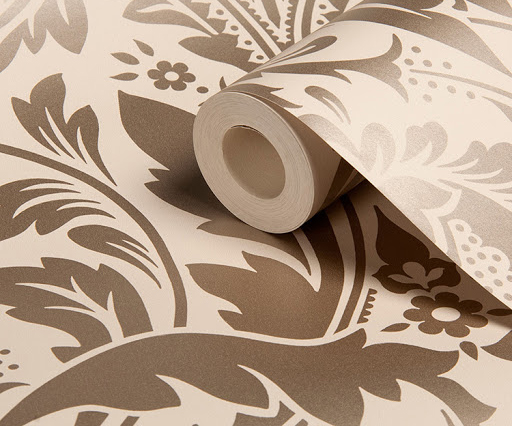 Paste the wallpaper Since you have decided which pattern and type of wallpaper you want to buy, you need to know how much wallpaper you need to cover your room. This will give you an approximate calculation by measuring all the widths and heights of the walls excluding doors and windows. The next thing, one of the most important, if you want to glue the wallpaper with quality, is the preparation of the substrate. If there were wallpapers in that room, they need to be removed. It is possible to stick on existing wallpaper (up to three layers), but you run the risk of it peeling off the wall later and ruining your entire effort. All nails and screws should be removed from the walls and if you do not intend to put them back in the same place, make sure to patch the dowel holes. In addition, all cracks on the walls need to be repaired with plaster. Sand the smaller unevenness of the walls with emery paper – and, if there are larger ones, smooth them with a trowel. When you have finished all these actions, you will dilute the wallpaper glue 10 times more than the instruction manual and coat the walls with it so that they are additionally impregnated. Wait for this layer to dry before gluing.
Placing embossed wallpaper
Necessarily, one to two hours before installation, the wallpaper should be unrolled from the roll, in order to straighten it and allow the material to If it has been rolled up longer, this time should be extended. If you don”t have time, roll the wallpaper in the opposite direction, so that it straightens. Be very careful, so as not to damage the color and the wallpaper itself, taking care not to get it dirty, if the substrate is not clean. Glue is applied to the previously prepared wall. Wallpaper is installed from top to bottom. The ends are not overlapped, but are glued edge to edge, so care should be taken not to see the joint lines. The most important thing is to place the first part of the wallpaper well, then each subsequent part goes easily. When the wallpaper is placed in the desired place on the wall, the air under it must be squeezed out, which is a process that takes a little longer. The air can be forced out with a plastic roller or a rubber spatula/spatula or with a cloth and hands, by pulling it towards the edges of the wallpaper. The wallpaper can slide slightly on the wall to blend in with the edge of the wall or other wallpaper. It can”t move too much, but enough for precise placement.
How are photo wallpapers glued?
Apply the glue first to the wallpaper (the blue side of the wallpaper, the first segment) and then to the part of the wall where you are installing the first segment. When you spread the wallpaper, wait 2-3 minutes and the paper is ready to stick. When you put the first segment on the wall, use a brush to blow out the air. The same procedure is used with the second segment, but overlap the image on the image up to 2cm. Do not be confused that the wallpaper will be uneven in some places, the wallpaper tightens itself when it dries. If the wallpaper is wider than the wall, cut the edges with a scalpel. When you”re done gluing, run a damp magic cloth (wet the cloth thoroughly and wring it out) over the entire wallpaper to pick up any glue left on the front.