The importance of external and internal insulation of the building
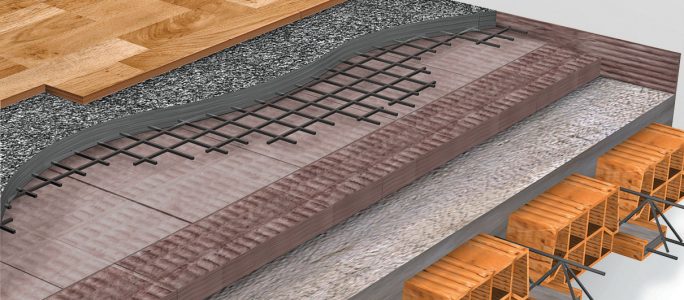
Heat losses through external walls amount to 40% of total heat losses in an uninsulated house, which is why great attention is paid to proper installation and selection of thermal insulation material. Investing in the external and internal insulation of the building does not represent an additional financial burden if we look at these investments through their long-term positive effects: permanent financial savings due to less energy consumption for heating, maintenance of a favorable indoor climate, longer lifespan of the facility. A good knowledge of the thermal properties of building materials is one of the prerequisites for designing energy-efficient buildings. Heat losses through the building element depend on the composition of that element, orientation and thermal conductivity coefficient. The lower the coefficient of thermal conductivity, the better the thermal protection of the object. The recommended thermal insulation thickness for our area is a minimum of 8-12 cm.
How can I do the external and internal insulation of the building myself?
The first step for external and internal insulation of the building is to calculate the square footage of the building yourself. If you have a lot of openings in the building (windows and doors), be sure that the craftsmen will not deduct it from the square footage, because processing the shuttering around windows and doors is a more difficult job than installing insulation and facade on flat surfaces. However, openings on the building must be deducted from the square footage when purchasing materials, so make sure to calculate the square footage of the materials separately. If you want to save money on building insulation, buy the material yourself. Follow the promotions and discounts and you can get by much cheaper. Also, if you are able, you can buy the material on deferred payment, which is certainly a great relief from the budget in these situations. Of course, if you don”t know your way around all this, you can always post the required service on Bellcom.rs and wait for offers from local masters/craftsmen.
External insulation of the object
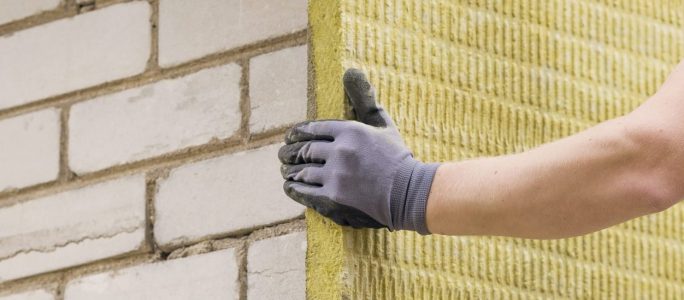
External insulation of the building is usually done on private houses, which saves the square footage of the interior space. Along with the insulation, the facade is usually done right away, and at the same time, the issue of the external aesthetics of the building is solved. Of course, only the insulation of the building can always be done, and the facade afterwards, as a rule, when more favorable financial opportunities are available. This kind of insulation of a building without a facade can be a solid, temporary solution when it comes to ground-floor buildings. Otherwise, insulation alone on multi-story buildings requires re-renting and scaffolding for the facade, which doubles the cost.
Internal insulation of the object
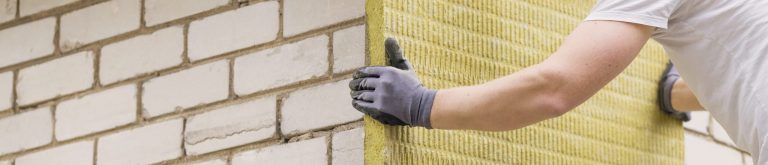 External and internal insulation of the building Internal insulation of the building can be a more favorable solution that also provides good thermal and sound insulation if it is carried out carefully. Its advantages are that it can be done all year round, regardless of the weather, it is simpler, cheaper and can be done partially. You can isolate one or more rooms as needed, and it is especially practical when you need to isolate a space in a residential building because you do not need the consent of the tenant and the approval of the competent authorities. For the internal insulation of the building, you must bear in mind that it entails a reduction in space depending on the thickness of Styrofoam or other insulating materials used. Special attention should be paid to the insulation of corners and joints in order to avoid the creation of the so-called
Ventilated facade as an insulator of the building
A ventilated facade is a type of building envelope, in which the final facade treatment is separated from the wall to which it is attached by an adequately designed structure. Air flows in the space between the wall and the facade cladding, next to the insulating material. An upward air flux is formed in the air space. This movement is made possible by the difference in temperature between the air space and the outside environment. Unhindered air circulation enables the removal of moisture from the building as well as water that may eventually penetrate through the joints of the facade cladding. In summer, the ventilation layer prevents heat from penetrating inside the building, and in winter it is an additional heat insulator.