Why should you hire a body dent removal expert?
Along with paint scratches, dents are the most common form of car damage. In the past you often had to replace entire side sections due to dents in the bodywork, today it takes much less time. However, you have to be careful here. If you try to repair the bump yourself, the paint can quickly crack and therefore have to be replaced. Today, a professional has the opportunity to solve dents and unevenness with a special “massage” using a special work technique. This special training allows professionals to avoid cracks in the varnish and thus not to damage the original paint. In this way, the depreciation of the vehicle is prevented and huge costs can be saved.
What should be considered when repairing body dents?
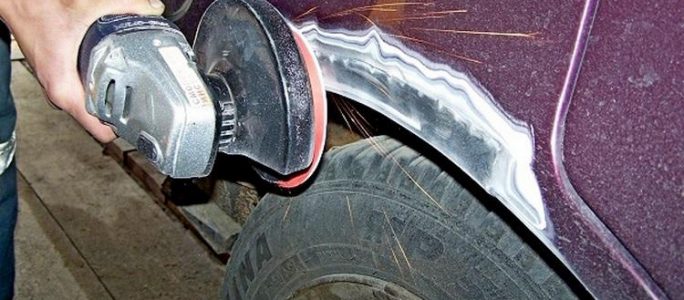
 Body dents When repairing a body dent, it is important to note which part of the body is dented. The material of the roof and doors, for example, is weak and easily pressed, while moldings, wheel arches and sills are made of stronger material and therefore more difficult to straighten. The most important thing in this job is a gentle process, the right tools and good training to avoid damaging the varnish and paint.
What are the advantages if the indentation can be raised?
It is often not necessary to replace the entire fender if the existing body dents can be gently pulled back. The advantages of this process are obvious: no costs for a new fender, no costs for a new paint job, no disassembly of parts and no depreciation of the vehicle.
Does the vehicle need to be prepared for body dent repair?
Since the new process of “massaging” dents and bumps can only be carried out by specially trained professionals, the vehicle can simply be taken to a suitable workshop. Make an appointment and after a very short time you will be able to get your car back.
Which type of bulge is correct?
Of course, each body dent must be treated differently. This depends on their size, location and other conditions. A good body shop will advise you to use one of the following techniques: conventional mallet and hammer dent removal, edge straightening, sheet metal pulling, massaging or dent lifting. The latter two methods are particularly suitable for minor bumps and dents such as parking damage, transport damage, hail damage and other minor damage.