Does the connection of the glass-ceramic plate have to be done by a professional?
The connection of the glass-ceramic plate should be left to an expert. The risk of injury and damage to your home due to unprofessional work with three-phase electricity is too great. That”s why we recommend that you contact the experts at the home appliance service. You can also make an appointment to connect the glass-ceramic plate online at a time that suits you. Make an appointment for a service intervention and the installation of your glass ceramic hob will be done in no time and you will be able to cook like a pro on your glass ceramic hob.
What preparations must be made before connecting the glass-ceramic plate?
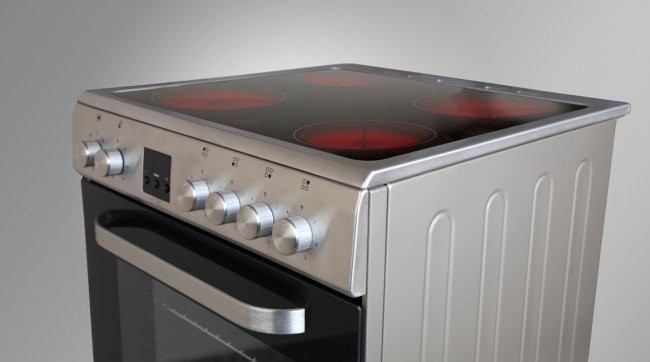 Connecting the glass-ceramic plate Before connecting a glass-ceramic plate, you should check whether it is a combination plate or a stand-alone plate. The combination plate is attached to the stove and is therefore more difficult to replace. A standalone board, on the other hand, can be replaced completely independently of other devices. You should also make sure whether you have a glass ceramic hob with or without a frame. In the case of ceramic plates without a frame, you have to cut the silicone joints with a knife from above. If it”s a fitted kitchen, make sure the professional has easy access to the ceramic hob”s electronics. To do this, remove the drawers and built-in cabinets under the glass-ceramic plate.
What are the advantages of professional bonding of glass-ceramic plates?
Regardless of whether the glass is cracked, technical components are faulty or functionality is limited, a professional will find the cause. A professional only fixes what is really broken and also professionally, so you can be sure that the glass ceramic plate is not only patched, but completely repaired and functional for a long time.
Which glass ceramic plate to choose?
If you have decided to buy a built-in panel, you must be wondering which one will suit you best, because the offer is very diverse. Valuable advice is always welcome, as it will help you to more easily choose a built-in panel suitable for your needs and expectations, but also for your budget. Apart from price and quality, there are many details that should be considered before buying. In general, built-in hobs are very practical compared to hobs, not only because they take up significantly less space, the ability to be placed separately from the oven and thus fit perfectly into the design of the kitchen, but also because food is prepared on them faster and In addition, independent devices are always more practical, because if a failure occurs on one, the other can function without problems.
Advantages and disadvantages of glass-ceramic plates
When it comes to heating surfaces and how they should be maintained, the difference is huge. Inadequate maintenance of a stove with a glass-ceramic plate can lead to its cracking. Particular attention should be paid to sugar and liquids that contain a large amount of it. If you turn on a hotplate with sugar left on it and then put a bowl on it, after some time, crystallization occurs and often has permanent consequences. If dishes with a smaller diameter than the heating elements are used on glass-ceramic plates, damage will occur over time. Most consumers believe that glass-ceramic plates are easily broken. Fortunately, the panels are quite impact resistant. The board will certainly not crack from, say, moderate jazz blows. Whether the slab will crack or not depends on the weight and shape of the body that falls on the slab. Damage usually occurs when something hits the plate, whether it”s a jar, pan, or something else. In any case, a strong blow to one point or when the surface of that blow is small, damage occurs. In addition to some disadvantages compared to old hotplates, glass-ceramic plates have one significant advantage. By using the least fast hotplate on a glass-ceramic plate, you save up to 25 percent of energy, while larger heating surfaces bring savings of 10 percent.