
Why should I hire a sewer pipe installation professional?
Installation of sewage pipes is very important in every building, whether residential or commercial. Sewerage installations drain water and it is very important that they are installed correctly and safely. It is very important to plan the sewage installation well before carrying out any work. Improperly installed sewer pipes are not easy to replace. It is important to take care of the fall, so that the water can drain away unhindered. If you do not have experience and are not sure how to properly install a sewer pipe, you should hire a professional to do this job for you. They know exactly what needs to be taken care of during installation so that there are no problems later.
What should be considered when laying sewer pipes?
Installation of sewer pipes requires knowledge and experience. During installation, static-constructive and sound insulation factors should be taken into account. Pipes must be laid in the building as follows: In living rooms and lounges, the pipes must be placed invisibly in horizontal slits in the ceiling or in vertical wall slits so that the water can drain properly. If necessary, they can also be placed in installation shafts – the main thing is that the pipes are covered. Pipes must be laid freely in the basement. Free in front of the wall or lying on the ceiling. Pipes that are laid in the ground must be placed as so-called. underground pipes to public sewers.
What are the benefits of sewer pipes?
Sewerage has immeasurable benefits for a household, building or other facility. Sewerage serves to drain household waste water into the public sewer.
What preparations should be made before laying sewer pipes?
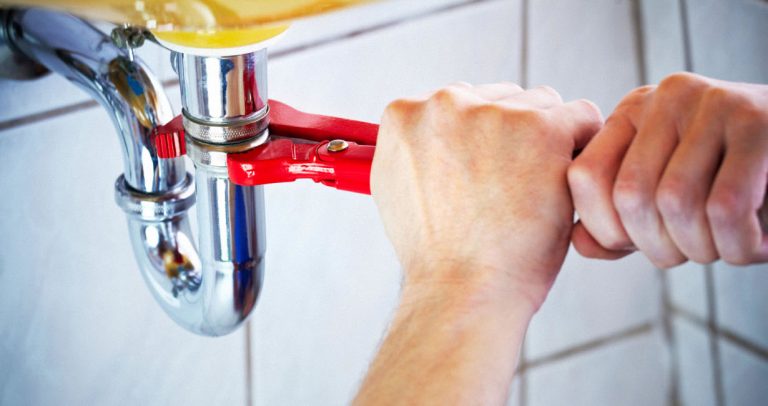 Installation of sewage pipes When installing sewer pipes, special attention should be paid to the location of the pipes. You can seek the advice of experts or hire them to install the pipes. If the pipes must be laid underground, it is necessary to prepare and dig a channel where the pipes will be laid. After that, it is important to place the pipes about 80 centimeters below the ground. In this way, they will be protected from frost, but also from damage due to some pressure. sr


