Correct installation of chimneys for economical heating
The chimney is one of the constituent elements of the heating system, which has a great influence on the operation of the boiler, that is, on the economy in fuel consumption and its maximum utilization. The main function of each chimney is to successfully conduct smoke outside the residential building and at the same time increase the supply of oxygen to the boiler by creating negative pressure. Installation of chimneys for central heating systems is carried out exclusively by heating experts, so that the entire system can function properly.
Installation of chrome chimneys
Prochrome chimneys are becoming an indispensable detail in modern construction due to their practicality, quality, easy and quick installation, safety and design. Prochrome chimneys are made in different diameters from Ø120 – Ø600mm, depending on whether you want to repair an existing one or install a chimney on a completely new system. Prochrome chimneys are intended for external or installation inside the building where the firebox is located. The chimney consists of several separate components. Pipes are insulated with cylindrical stone wool. This type of insulator has a high resistance to temperatures up to 800°C, and in addition to its thermal insulation, it also has the role of preventing condensation. The exterior of the chimney is made of square-shaped galvanized sheet metal. Installation of chrome chimneys is recommended for all those who want quality and durability.
Why is it necessary to install a new chimney?
New boilers use energy optimally. This means that flue gas temperatures are very low. This causes condensation and acid to build up in the chimney. Old chimneys are not resistant to such condensates and acids. Moisture, through the chimney, often penetrates the walls in the living room. This is not only an aesthetic problem, the greatest danger lies in the leakage of carbon monoxide from old chimneys. If spots appeared on the chimney wall, it means that the chimney is damaged, cracked and leaking flue gases. It is known that a concentration of 0.2% CO in a room leads to fatal consequences in humans. That is why you should not take risks with inadequate solutions or old chimneys. The investment in a new chimney, which is very small compared to the price of the boiler, is an investment in the safety and health of the household.
Problems with the old chimney
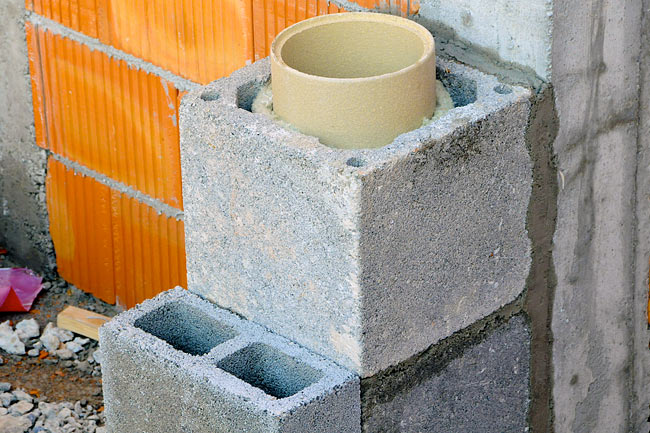 Chimney installation There are numerous problems due to which the chimney and firebox do not work properly. Sometimes they are banal and can be easily removed, but in some cases they can be very serious, and their solution represents a serious intervention of the chimney sweep. Chimney height is the first and most obvious factor in the proper functioning of the exhaust section of your heating system. The chimney should not be too high or too low, and its height is determined in relation to the roof of your house as well as to the surrounding elements, such as rows of trees or similar objects that can obstruct the flow of air. The efficiency of the chimney increases with its height, but friction between the smoke and the interior of the chimney can be a problem with chimneys that are too tall. The low height of the chimney is particularly noticeable as a problem during strong winds, and due to the difference in air pressure between the place where the fire is made and the atmospheric winds, it results in the A chimney at a distance of less than 150 cm from the ridge should exceed it by at least 50 cm. If this distance is greater than 300 cm, the chimney can be lower than the highest point of the roof. The efficiency of the chimney increases as its height increases until the frictional forces become so strong that they cancel out this growth effect.
Maintain the chimney regularly
If the chimney has not been used for a long time, call a professional for venting and cleaning the chimney. Insufficient chimney diameter – Factors affecting the required chimney diameter are purpose, height, type of combustion device, type of fuel, etc. An insufficient opening makes it difficult to transport flue gases, and thus to combustion. The usual opening is 14×14 cm for domestic fireplaces such as wood stoves or heating stoves, or 20×20 cm for fireplaces and central heating. When the opening is too large, there is a swirl and the regurgitation of smoke. Since there is no practical way to increase the diameter of the existing chimney, the solution may be in the corrections of the open part of the combustion chamber.