What is the benefit of hiring a wall insulation specialist?
Wall insulation is not a particularly difficult job, but even a small mistake can have fatal consequences: You didn”t apply the glue evenly, or a cavity was created when it was attached, and that”s when mold starts to form. To prevent such accidents, which can later be expensive to repair, it is advisable to hire a wall insulation specialist.
What should you pay attention to when insulating the walls?
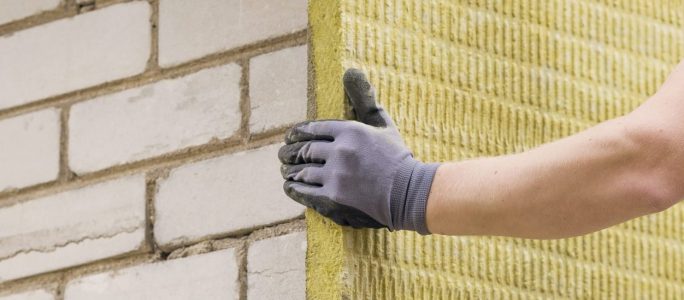
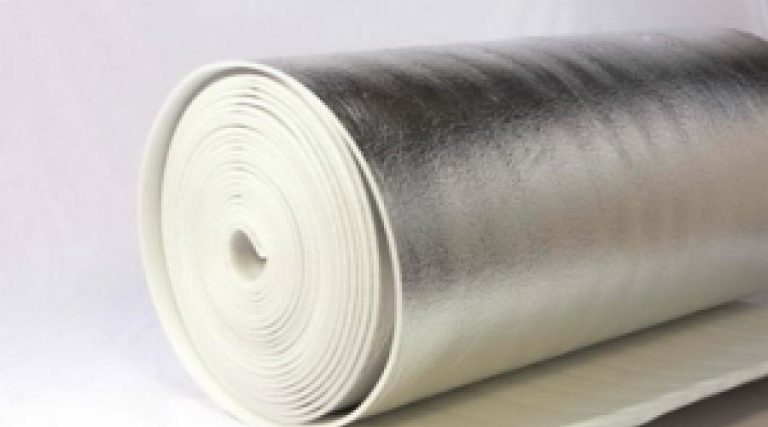 Wall insulation When insulating the walls, special attention should be paid to the selection of the insulating material. When choosing insulation materials, you should pay attention to two things: Choose insulation material that does not contain harmful substances and insulation boards or adhesives that prevent the formation of mold, such as diffusion-open mineral insulation boards. Mold-resistant glue is often recommended when using Styrofoam sheets. This must be applied to the entire surface to completely prevent mold growth. With each type of insulation boards, it is necessary to ensure that there are no cavities between the boards and the wall.
Why is wall insulation needed?
Heat escapes through poorly insulated walls, which can significantly increase energy costs. Also, those who do not like sitting next to a cold wall will have to count on good thermal insulation of the walls. Many people who have insulated their walls are impressed by the difference they feel in both the pleasant warmth in the corresponding room and the drop in energy costs. Another benefit of insulation is that you keep outside noise and your own noise inside the house.
What tools and materials do you need for wall insulation?
To insulate the walls, in addition to the insulation boards, you need a mesh and a light mortar for sticking the insulation boards and, depending on your requirements, plaster, wallpaper or tiles to cover the insulation boards.
What thickness of insulation is best?
When considering the thickness of the wall insulation, keep in mind that the difference in the price of the wool or styrofoam itself is negligible, and the amount of other material that goes into the system (glue, mesh, finishing layers of the facade) is the same, regardless of the thickness of the insulation. Which means, when you are already working, work with as much thickness as possible, because the insulation is done only once in the life of the object, and the savings are much greater with a greater thickness of insulation, and therefore the return on the investment through savings is faster.
Sound insulation of walls
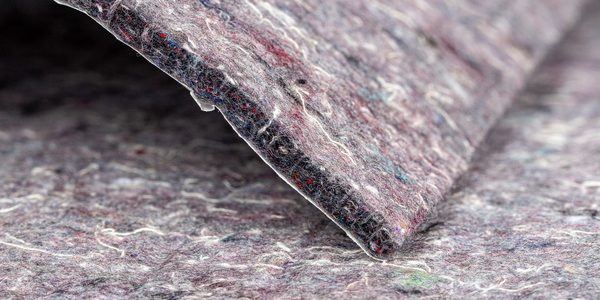
Sound insulation of the interior space is achieved by system solutions consisting of a certain number of partitions or obstacles that reduce unwanted noise. In those systems, mineral wool is only one of the parts. As a rule, so-called insulation is used for the insulation of the external walls from the internal side. wall covering. As for the type of wool, it is usual to use stone or glass mineral wool of lower purity or special products with exceptional acoustic characteristics.
Insulation of the facade wall from the inside
Insulation of facade walls can be done from the outside or the inside of the building. The advantages of insulation from the inside are the lower cost of execution and the fact that it does not affect the change of the external appearance of the building. If you want to insulate an apartment in a residential building, you will achieve significant savings if you insulate it from the inside because you do not need scaffolding for construction. You can perform internal insulation in just one room or in the entire apartment. However, there is also a negative side of this insulation system, which is the creation of Condensation and mold can form on these parts, which most often appear in the corners of rooms.