Why should you hire a wall impregnation expert?
When impregnation of the walls is done professionally, such waterproofing is sometimes the most effective protection against moisture. Once the facade is impregnated, water and moisture no longer penetrate. However, if mistakes are made during impregnation, the protective effect will not be achieved. As insufficient impregnation often goes unnoticed for a long time, the facade can be damaged, which in turn results in high subsequent costs. That is why it is an advantage to hire an expert who impregnates your facade from the very beginning. If you want to impregnate the entire facade of the house and you need scaffolding, the work should be done by a craftsman who already has experience. Scaffolding itself is not recommended for everyone, nor is working at high heights. Better to play it safe, otherwise there is a risk of injury.
What should you pay attention to when impregnating walls?
Different facades require different approaches. The deciding factor is the nature of the walls. If the walls are porous and highly absorbent, deep impregnation of the walls is recommended. In the case of a less absorbent wall, facade protection should be applied. If you want to impregnate the walls indoors, we recommend impregnation with mold protection. Make sure that the freshly applied impregnation must not be exposed to moisture and must first set and dry completely.
What are the advantages of wall impregnation?
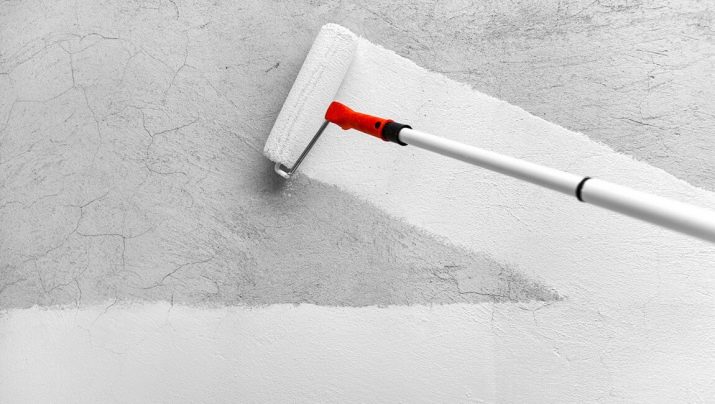 Wall impregnation The impregnation seals the wall and protects it from moisture, and if it is a facade from the outside, from bad weather. However, keep in mind that impregnation will not work on heavily damaged facades and walls and can only serve as a temporary measure. Here, an expert must be hired who performs professional insulation.
Preparations for wall impregnation
If you want to waterproof the wall yourself, you should prepare it for a perfect and professional result. This means that cracks or places where the plaster crumbles should be thoroughly cleaned and, in the case of cracks and holes, filled before impregnation is applied. Here too, keep in mind that the wall must be completely dry after repair before you dare to impregnate it.
What is needed for wall impregnation?
Some wall impregnation products require a brush and roller, while others are sprayed. Therefore, find out how your impregnation should be applied before you get the tools and materials. Also prepare filler material for areas that do not need impregnation. If the outer walls are impregnated, you can protect the windows. However, the effort is often very little to simply clean the window after impregnation. Of course, this only applies if the impregnation is colorless.
When is wall impregnation necessary?
Wall impregnation has the function of reducing and evening out the absorption of the substrate. Highly absorbent substrates will pull the liquid phase from the paint. The paint will not be able to be applied evenly, i.e. the roller will stick and the final appearance of the facade will be uneven with visible overlaps of the roller and even more visible transitions between the roller and the brush. Impregnation is always required when painting a wall for the first time. Whether it”s plaster substrates, plasterboard or concrete substrates, impregnation before the first painting is absolutely necessary. All of these substrates have increased, and in some cases, uneven absorbency and possibly a surface layer of dust and weakly bonded parts. If the interior walls had to be treated with smoothing and smoothing compounds in places before painting. When the substrate is old and crumbling or we have created a thick layer of high absorbency by multiple painting. The absorbency of the substrate is relatively easy to determine with a water wetting test, in which the rate at which water is absorbed into the substrate is evaluated.