Terrace waterproofing – should you hire a master?
The traditional approach to waterproofing the terrace by installing bitumen waterproofing strips does not guarantee the durability of the construction. Bitumen strips are installed under the screed because they are sensitive to changes during summer and winter, when the bitumen melts or hardens. Then it is not possible to stick a ceramic or stone coating on them, and this type of installation of waterproofing allows water to penetrate through the joints of the tiles or stone into the screed, where it is retained. Frozen water crushes the screed and causes crystallization at the joints due to the evaporation of residual water. If you are not sure how to do the waterproofing of the terrace yourself in the best way, contact the experts in this field. They will know best what kind of insulation your patio needs. In order to receive suitable offers, post the required service on Bellcom.rs.
What preparations should be made for waterproofing the terrace?
Before installing the waterproofing of the terrace, always check whether the tiles are detached from the substrate. If they are, such tiles are removed and re-glued. If they are detached from a large part of the terrace surface, they must be completely removed. The screed below is leveled with cement mortar with the addition of additives. Cracks in the tiles are filled with elastic putty. Before the actual installation of the insulation, the substrate is thoroughly cleaned and washed, and then coated with a primer in one layer. After the primer dries, waterproofing is applied.
When is it necessary to waterproof the terrace?
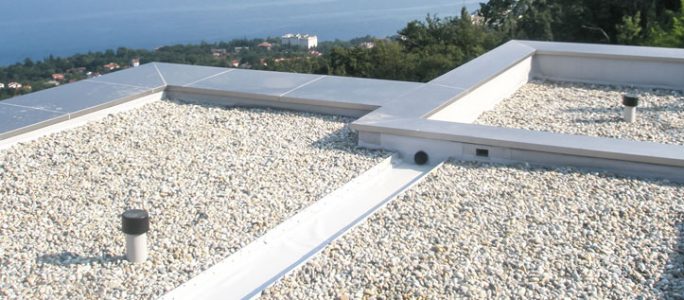
Balconies and terraces are important external parts of the building that serve us as a contact with the exterior or as a place to stay in our free time. Because of their location, those surfaces are exposed to weather influences (large temperature differences, precipitation) as well as other environmental influences. Balconies are usually smaller than terraces and are cantilevered to the structure, while terraces are spaces adjacent to or on top of a building. The difference between a terrace and a balcony is that under the terrace there are often living spaces (heated rooms) or partially living spaces (garages, basements) and the temperature difference between the space under the terrace and on the terrace is large. If you have a space like this, either a balcony or a terrace, waterproofing of the terrace is necessary to ensure that your terrace as well as the entire apartment is safe and dry.
What should you pay attention to when waterproofing the terrace?
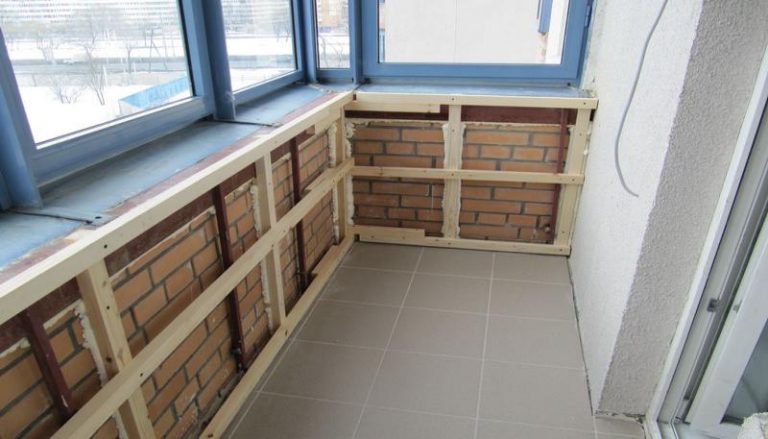 Terrace waterproofing If you glue the tiles to a concrete slab or glaze with a waterproof flexible adhesive, there will be different stress on the material at high summer temperatures. Heated concrete stretches and in the process stretches the adhesive. However, when autumn comes and the volume of material is smaller, the concrete shrinks and the adhesive crumbles and cracks in contact with the tiles. An additional problem arises in winter when the temperature drops below zero. Then the water turns into ice, which increases the volume and destroys the structure between the concrete and the tiles. The water, which is trapped between the tiles and the concrete, turns back into water vapor at higher temperatures. When the steam expands, it acts on the substrate and with its pressure lifts the pieces of ceramics and waterproofing. The problem becomes even greater if there is a multi-layered surface on the terraces. In that case, the proper arrangement of the layers themselves is very important, as is the well-executed waterproofing of the terrace. This type of substrate is mainly used above rooms that are heated.
The importance of terrace waterproofing
Terrace waterproofing is an important segment of construction, which people often neglect or do not pay enough attention and resources to. If, due to poorly done or worn-out insulation of the roof, wall, facade, basement, bathroom or terrace, there is a leak or the appearance of moisture on the walls, it is necessary to repair the defect as soon as possible, in order not to potentially expose yourself to the risk of significant damage to the building
Selection of waterproofing material
A common problem in residential buildings is the waterproofing of detached floors or terraces. The choice of waterproofing material must meet the external conditions to which the terrace is constantly exposed (sudden temperature changes, frosts, very high temperatures, etc.). Also, the choice of waterproofing should not damage the aesthetics of the terrace, because such parts of the building are used a lot throughout the year. The finishing layers are most often ceramic tiles or some kind of decking.